Domain privacy and protection is a service that allows domain owners to keep their personal information private and secure. When a domain name is registered, the owner’s personal information, including their name, address, and phone number, is recorded in a public database known as the WHOIS database. This information is available to anyone who searches for the domain name, including spammers, hackers, and other malicious actors.

Domain privacy and protection services allow domain owners to hide their personal information in the WHOIS database by replacing it with the contact information of a third-party service provider. This protects the domain owner’s personal information from being accessed by unauthorized individuals, while still allowing legitimate parties to contact the domain owner through the third-party service provider.
There are several benefits to using domain privacy and protection services. First, it helps to protect the domain owner’s privacy and security by preventing their personal information from being publicly available. This can help to reduce the risk of identity theft, spam, and other forms of online harassment.
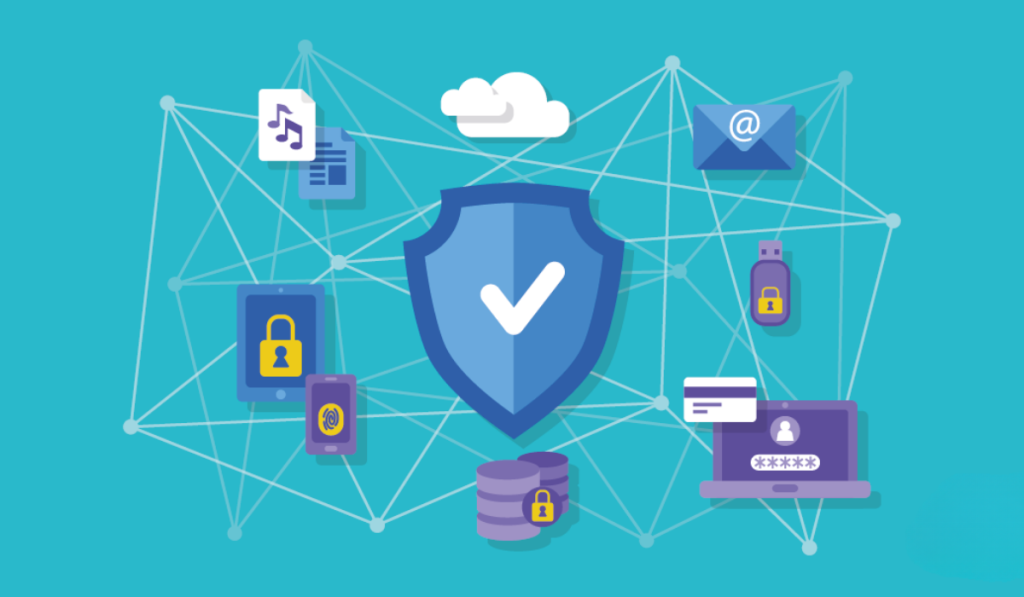
Second, domain privacy and protection services can help to reduce the amount of unsolicited email and phone calls that domain owners receive. By hiding their personal information, domain owners can avoid being contacted by spammers and telemarketers who use the WHOIS database to collect contact information.
Finally, domain privacy and protection services can help to prevent domain hijacking and other forms of cybercrime. By hiding their personal information, domain owners can make it more difficult for cybercriminals to gain access to their domain names or other online accounts.
When selecting a domain privacy and protection service provider, it is important to choose a reputable provider with a proven track record of protecting their clients’ privacy and security. Domain owners should also be aware of any additional fees associated with the service and understand how the provider will handle any legal requests for their personal information.
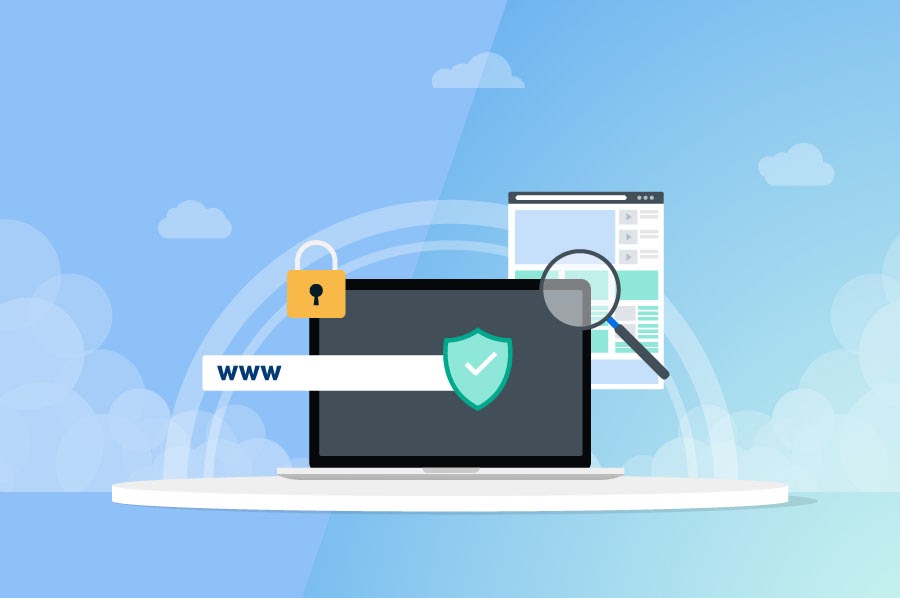
In conclusion, domain privacy and protection is an important service that can help domain owners to protect their personal information and prevent cybercrime. By hiding their personal information in the WHOIS database, domain owners can reduce the risk of identity theft, spam, and other forms of online harassment. When selecting a domain privacy and protection service provider, it is important to choose a reputable provider with a proven track record of protecting their clients’ privacy and security.

Leave a Reply