

Ticket support is a popular customer support channel that allows customers to submit support requests or issues through a ticket system. These tickets are then managed and tracked by the support team until the issue is resolved. In this article, we will explore the benefits of ticket support, best practices for implementing and using it, and tips for maximizing its effectiveness.
Benefits of Ticket Support

The following are some benefits of ticket support:
- Organization: Ticket support helps to organize support requests and issues, making it easier for support teams to manage and track them.
- Efficiency: Ticket support allows support teams to prioritize and assign support requests based on urgency, reducing response times and improving efficiency.
- Accountability: Ticket support provides a clear trail of communication and actions taken, which helps to hold support teams accountable for their actions and ensures that issues are properly resolved.
- Customer Satisfaction: Efficient and organized ticket support can lead to increased customer satisfaction and loyalty.
Best Practices for Implementing and Using Ticket Support
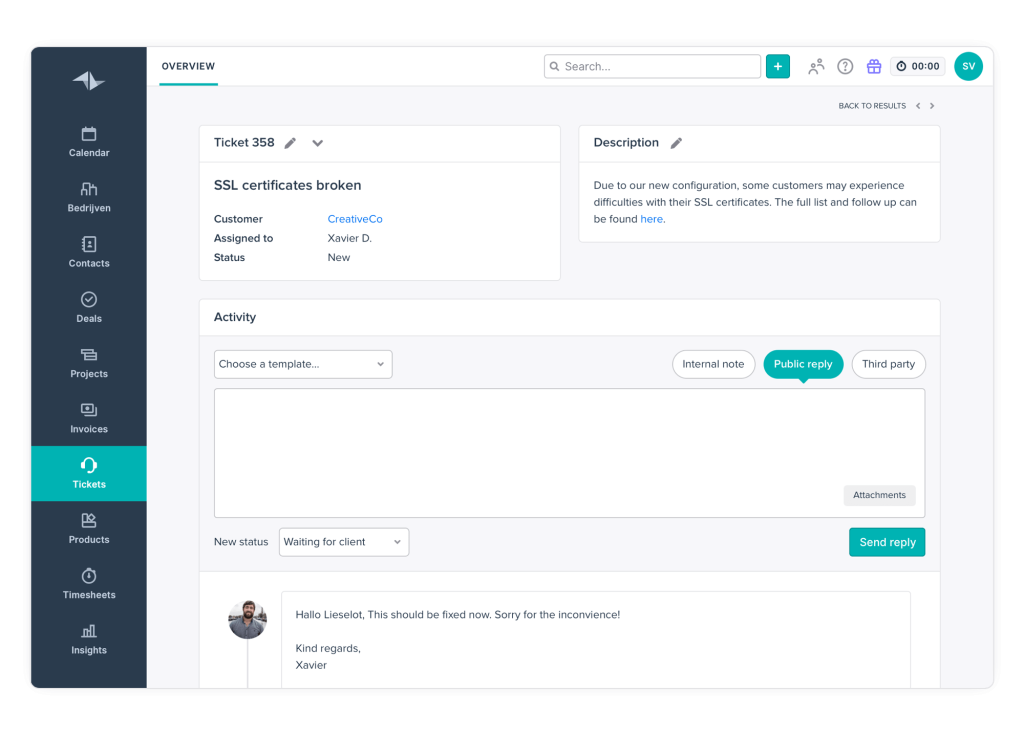
The following are best practices for implementing and using ticket support:
- Choose the Right Ticket System: Choose a ticket system that is easy to use, integrates with other support tools, and has features such as automated ticket routing and canned responses.
- Define Support Policies: Define clear support policies, such as response times, escalation procedures, and resolution times, to ensure that support requests are handled consistently and efficiently.
- Provide Adequate Training: Provide adequate training to support teams to ensure that they are equipped to handle support requests effectively.
- Set Expectations: Set clear expectations with customers about response times, escalation procedures, and resolution times to manage their expectations.
- Monitor Metrics: Monitor key metrics such as response time, resolution time, and customer satisfaction to identify areas for improvement.
Tips for Maximizing Ticket Support Effectiveness
The following are tips for maximizing the effectiveness of ticket support:
- Automate Where Possible: Automate repetitive tasks such as ticket routing and canned responses to save time and improve efficiency.
- Use Tags and Categories: Use tags and categories to help organize tickets and make it easier to find and manage them.
- Prioritize Urgent Requests: Prioritize urgent requests and escalate them to the appropriate team members to ensure that they are handled quickly and efficiently.
- Communicate Effectively: Communicate clearly and effectively with customers throughout the support process to manage their expectations and provide updates on their issues.
Conclusion
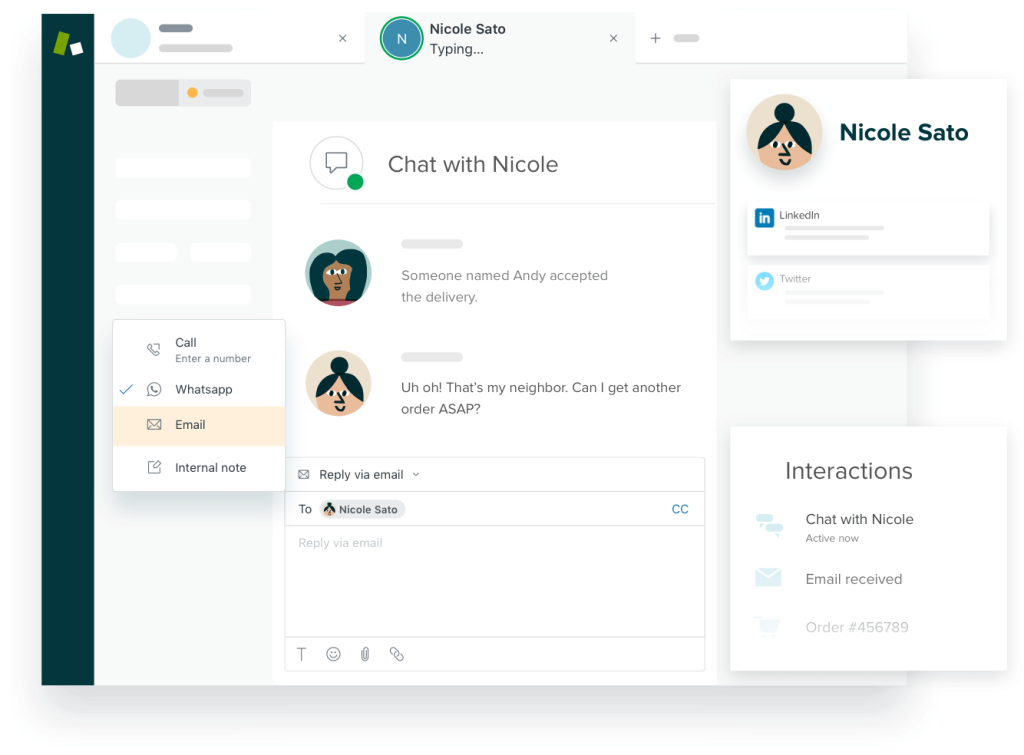
Ticket support is an effective customer support channel that helps to organize support requests and issues, improve efficiency, and increase customer satisfaction. By implementing and using ticket support best practices and tips for maximizing effectiveness, businesses can provide a better customer experience, increase customer satisfaction and loyalty, and improve the efficiency of their support teams. Ticket support should be considered as part of any customer support strategy and can help businesses manage and resolve support requests more effectively.


Leave a Reply