

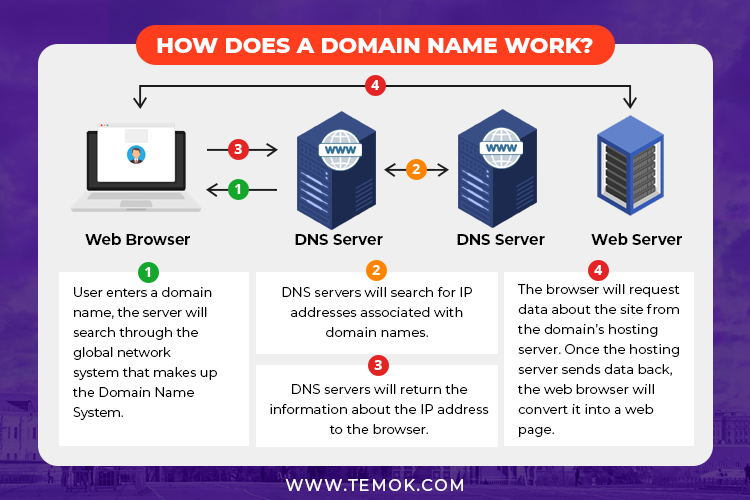
Domain names are an essential part of the internet, serving as the virtual addresses that people use to access websites. They are essentially the human-readable version of IP addresses, which are numerical codes that identify every device connected to the internet. The history and evolution of domain names are fascinating, reflecting the growth of the internet and the changing needs of users.
The first domain name was registered on March 15, 1985, by Symbolics Inc., a Massachusetts-based computer manufacturer. The domain name was “symbolics.com,” and it marked the beginning of a new era in the history of the internet. At the time, the domain name system (DNS) was a fledgling technology, and only a handful of organizations had registered domain names.
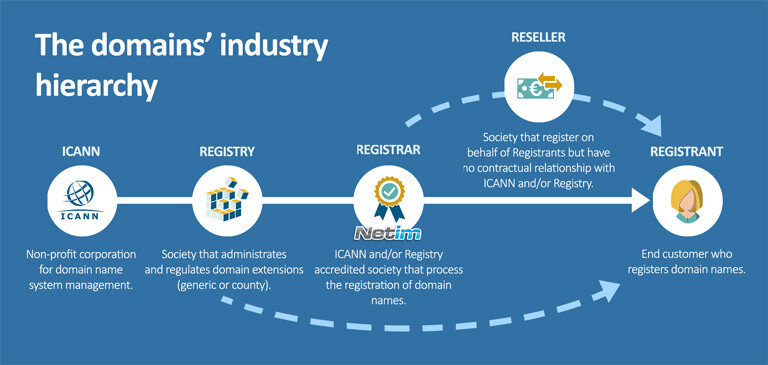
Throughout the 1980s and 1990s, domain name registration was controlled by the U.S. government’s National Science Foundation (NSF). However, with the explosive growth of the internet, it became clear that the management of domain names needed to be decentralized and privatized. In 1998, the U.S. government authorized the creation of the Internet Corporation for Assigned Names and Numbers (ICANN), a non-profit organization responsible for overseeing the domain name system.
Since then, the domain name system has undergone several changes and innovations. One of the most significant developments was the introduction of generic top-level domains (gTLDs) in 1986. These were domain names that were not tied to specific geographic locations or countries. The original gTLDs included .com, .org, .net, .edu, and .gov.
Over time, the number of gTLDs has expanded significantly, with the addition of dozens of new gTLDs in recent years. These include .biz, .info, .mobi, .xxx, .club, and many others. The expansion of gTLDs has been controversial, with some critics arguing that it has made it harder for businesses to establish a clear online presence and that it has created confusion among users.
Another significant development in the history of domain names has been the introduction of country code top-level domains (ccTLDs). These are two-letter domain names that are tied to specific countries or territories. Examples include .us for the United States, .ca for Canada, .uk for the United Kingdom, and .cn for China. Today, there are more than 300 ccTLDs in use around the world.
Perhaps the most significant recent development in the history of domain names has been the introduction of internationalized domain names (IDNs). These are domain names that include non-Latin characters, such as Chinese, Arabic, or Cyrillic. IDNs have been a crucial innovation in making the internet more accessible to people around the world, especially those who do not speak or read English.
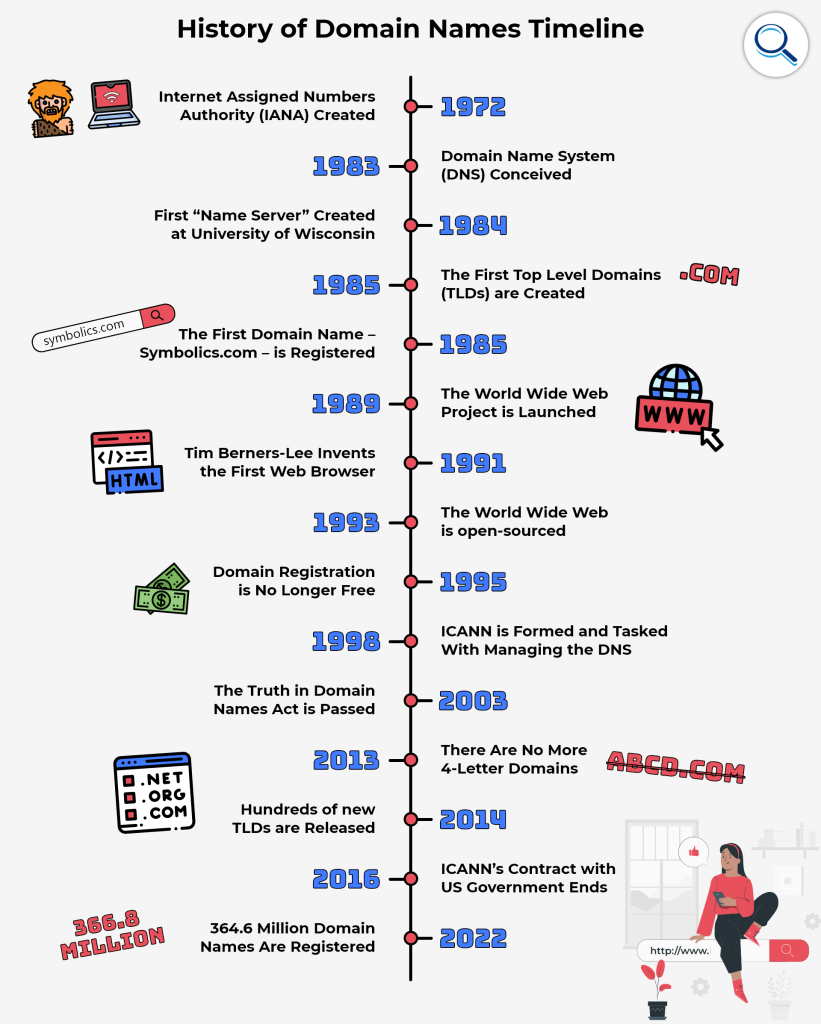
In conclusion, the history and evolution of domain names reflect the growth and evolution of the internet as a whole. From the first domain name registered in 1985 to the hundreds of gTLDs and ccTLDs in use today, the domain name system has undergone significant changes and innovations. Looking ahead, it’s likely that we will see continued growth and evolution in the world of domain names, as the internet continues to evolve and adapt to the changing needs of users around the world.



Leave a Reply