

Domain hijacking is a malicious practice in which an individual or group gains unauthorized access to a domain name registration without the consent of the original owner. The perpetrator then takes control of the domain name and uses it for their own purposes, which can range from phishing scams to spreading malware or even using it for illegal activities. Domain hijacking can have severe consequences, ranging from financial losses to damage to the reputation of the original owner.
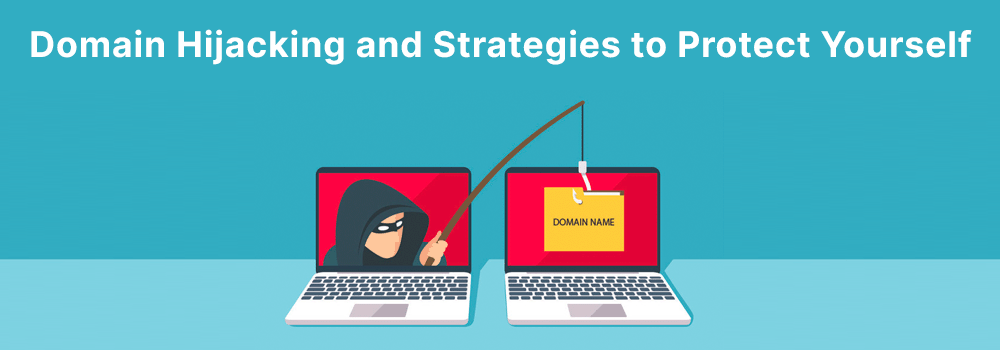
Domain hijacking can happen in a variety of ways. One common method is through social engineering, where the perpetrator tricks the owner into revealing their login credentials. This can happen through phishing emails, where the victim is sent an email that appears to be from a legitimate source, such as a domain registrar or web hosting provider. The email may contain a link to a fake login page, where the victim is prompted to enter their username and password. Once the credentials are entered, the hacker can gain access to the domain registration account and take control of the domain name.
Another method of domain hijacking is through hacking the domain registrar’s system directly. In this case, the perpetrator gains access to the registrar’s system and changes the registration information to transfer the domain name to their own account. This can be done through various methods, such as exploiting vulnerabilities in the registrar’s system, using brute force attacks to guess passwords, or social engineering attacks on the registrar’s employees.
The consequences of domain hijacking can be severe. If the domain name is used for business purposes, it can result in loss of revenue, customers, and reputation. The perpetrator may use the domain name for phishing scams or to spread malware, which can lead to financial losses and legal liabilities. In some cases, the perpetrator may even use the domain name for illegal activities, such as selling counterfeit goods or distributing pirated software.
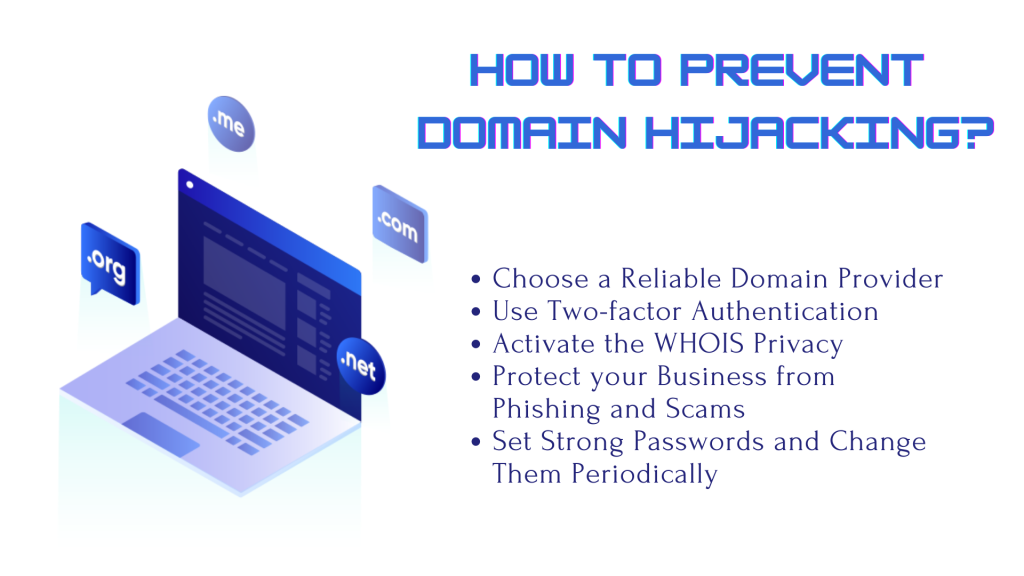
To prevent domain hijacking, there are several steps that can be taken. First, it is important to choose a strong password and enable two-factor authentication for all domain registration accounts. This can make it much harder for hackers to gain unauthorized access to the account. It is also important to be cautious when responding to emails, especially those that appear to be from a domain registrar or web hosting provider. If in doubt, it is always best to contact the provider directly to verify the legitimacy of the email.
In addition, it is important to regularly monitor domain registration accounts for any suspicious activity, such as unauthorized changes to the registration information or attempts to transfer the domain name. This can help identify potential threats early and prevent them from escalating into full-blown hijacking incidents.
In conclusion, domain hijacking is a serious threat that can have severe consequences for businesses and individuals alike. By taking proactive steps to prevent domain hijacking, such as choosing strong passwords, enabling two-factor authentication, and monitoring domain registration accounts, individuals and businesses can help protect themselves from this type of malicious activity. It is important to remain vigilant and take action immediately if any suspicious activity is detected to prevent the hijacking from escalating further.



Leave a Reply