
Domain backordering refers to the process of attempting to register a domain name that has expired and is in the process of being released back into the pool of available domain names. The goal of domain backordering is to gain control of a valuable domain name that was previously owned by someone else, and that has not yet been registered by another party.

There are several reasons why a person or organization may want to backorder a domain name. Perhaps the domain name is important for branding or marketing purposes, or it may have significant search engine optimization (SEO) value. In some cases, a domain name may have historical significance or cultural value, making it desirable to collectors or enthusiasts.
The process of domain back ordering typically involves using a back ordering service. These services allow users to place a bid on a particular domain name that is set to expire. If no other party places a higher bid, the backorder service will attempt to register the domain name on behalf of the user as soon as it becomes available.
However, it is important to note that a backorder of a domain name does not guarantee that the user will be able to register it. There may be multiple parties interested in the same domain name, and it is possible that someone else may place a higher bid, or that the previous owner may renew the domain name at the last minute.
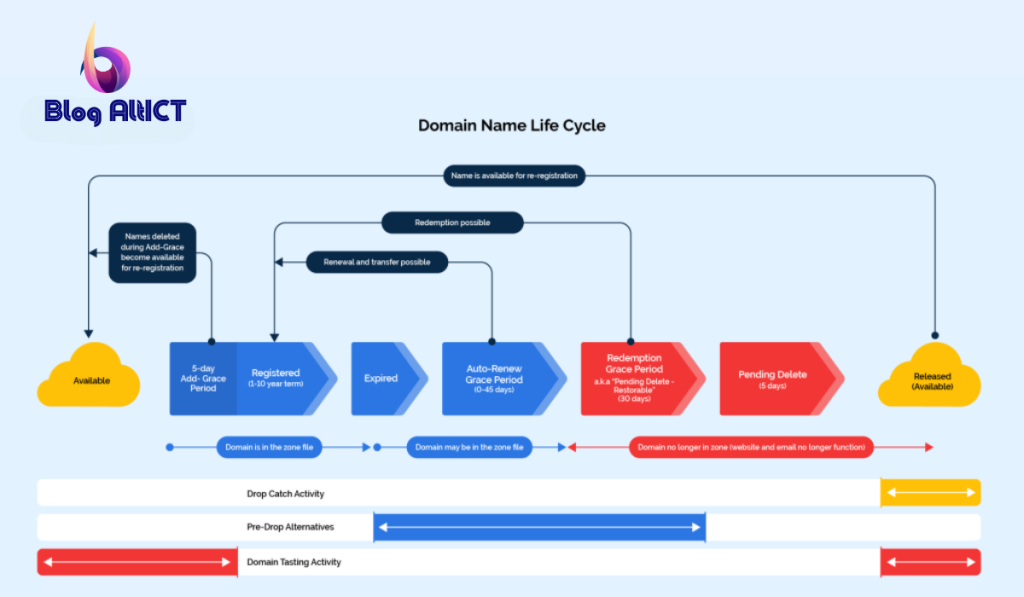
Furthermore, even if a user is successful in backorder a domain name, they may encounter legal challenges if the previous owner claims that the domain name was unfairly taken from them. Therefore, it is important to carefully consider the potential risks and benefits of domain back ordering before proceeding.
In conclusion, domain backordering can be a useful tool for acquiring valuable domain names that are in the process of being released. However, it is important to use a reputable back-ordering service and to be aware of the potential risks and challenges involved in the process. Ultimately, the decision to backorder a domain name should be made after careful consideration of the potential benefits and drawbacks.


Leave a Reply