
A domain name is an essential aspect of a website that identifies it on the internet. It is a unique address that serves as the online identity of a website or web application. A domain name is an essential tool for creating a brand identity, establishing credibility, and improving search engine optimization (SEO).
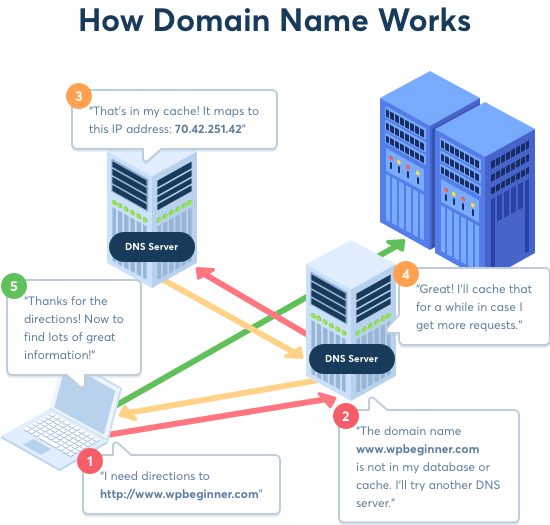
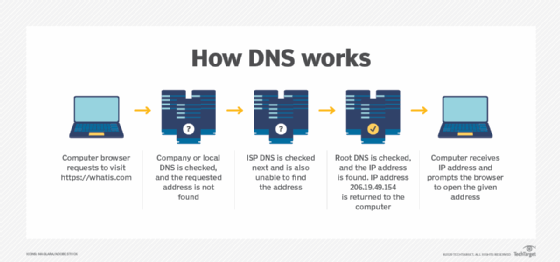
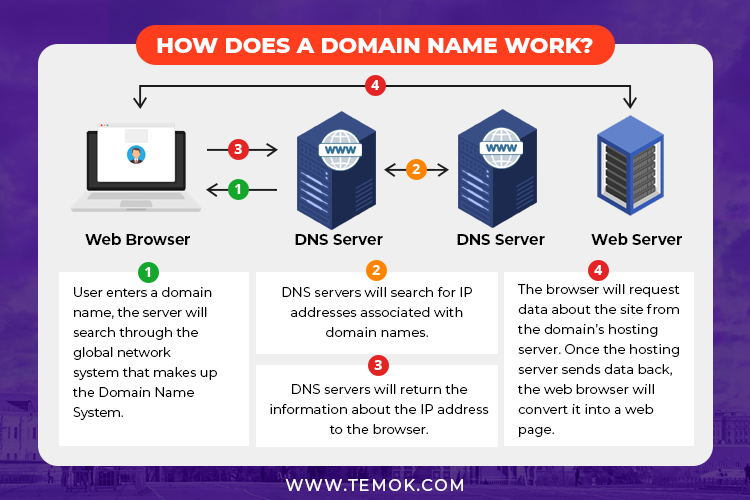
In simple terms, a domain name is a user-friendly way of identifying an internet protocol (IP) address, which is a unique numerical identifier assigned to every device connected to the internet. A domain name typically consists of two parts, the top-level domain (TLD) and the second-level domain (SLD). For example, in the domain name “google.com,” “.com” is the TLD, while “google” is the SLD.

The purpose of a domain name is to provide a memorable and meaningful name that users can easily associate with a specific website or web application. It is the gateway for internet users to access a particular website or web application, making it a crucial element in the online presence of a business or organization.
A domain name also helps to establish a brand identity and can be used to create a professional image for a business or organization. By registering a domain name that matches the company name, it becomes easier for users to recognize and remember the brand.
Furthermore, a domain name plays a critical role in SEO. Search engines use domain names as a factor in ranking websites in search results. Having a relevant and memorable domain name that includes relevant keywords can improve a website’s search engine ranking, making it more visible to potential visitors.
In addition to these benefits, a domain name also provides a level of security and ownership for a website. By registering a domain name, a business or individual gains exclusive rights to that name, preventing others from using it without permission.
In conclusion, a domain name is a crucial element in establishing an online presence and brand identity. It provides a memorable and meaningful name that users can easily associate with a website or web application. A domain name is also essential for improving SEO and providing a level of security and ownership for a website.
Domain names are not just limited to businesses and organizations; individuals can also register a domain name to create a personal website or blog. This can help them establish an online presence and showcase their skills, hobbies, or interests.
When choosing a domain name, there are several factors to consider. Firstly, it should be memorable, easy to spell, and easy to pronounce. This will make it easier for users to remember and share with others. Secondly, it should be relevant to the website’s content or brand. Including keywords in the domain name can also improve its search engine ranking.
Another important consideration when choosing a domain name is the TLD. There are many TLDs to choose from, including .com, .org, .net, and country-specific TLDs such as .us or .co.uk. The TLD should be relevant to the website’s audience and the purpose of the website.
Once a domain name has been chosen, it must be registered through a domain registrar. Registrars are accredited by the Internet Corporation for Assigned Names and Numbers (ICANN) and are responsible for managing the registration of domain names. The registration process typically involves choosing the desired domain name, selecting the TLD, and providing contact information.
In summary, a domain name is an essential aspect of a website’s online presence. It provides a unique and memorable address that users can use to access the website, establishes a brand identity, improves SEO, and provides a level of security and ownership. When choosing a domain name, it is important to consider its relevance, memorability, and TLD, and to register it through an accredited domain registrar.



Leave a Reply