

Add-on domains are a useful feature offered by many web hosting companies that allow users to add additional domains to their existing hosting account. This means that with one hosting account, users can host multiple websites, each with their own domain name and website content. Add-on domains are a cost-effective way to manage multiple websites, as users only need to pay for one hosting account and can save money on the cost of additional hosting.

When using add-on domains, users can create a new website within their existing hosting account by setting up a new domain name and creating a new website directory. The website directory is the location where all website files and content are stored. Once the website directory is set up, users can then upload their website files to the new directory and configure their website settings.
One of the main benefits of add-on domains is that they allow users to manage all of their websites from a single hosting account. This makes it easy to keep track of all of their websites, monitor their traffic, and make changes to their websites as needed. Users can also use the same email address for all of their domains, making it easy to manage their email accounts.
Another benefit of add-on domains is that they can help users improve their search engine rankings. Each website hosted on a separate domain can have its own unique content, keywords, and search engine optimization (SEO) strategies. This can help increase the visibility of each website in search engine results and drive more traffic to each site.
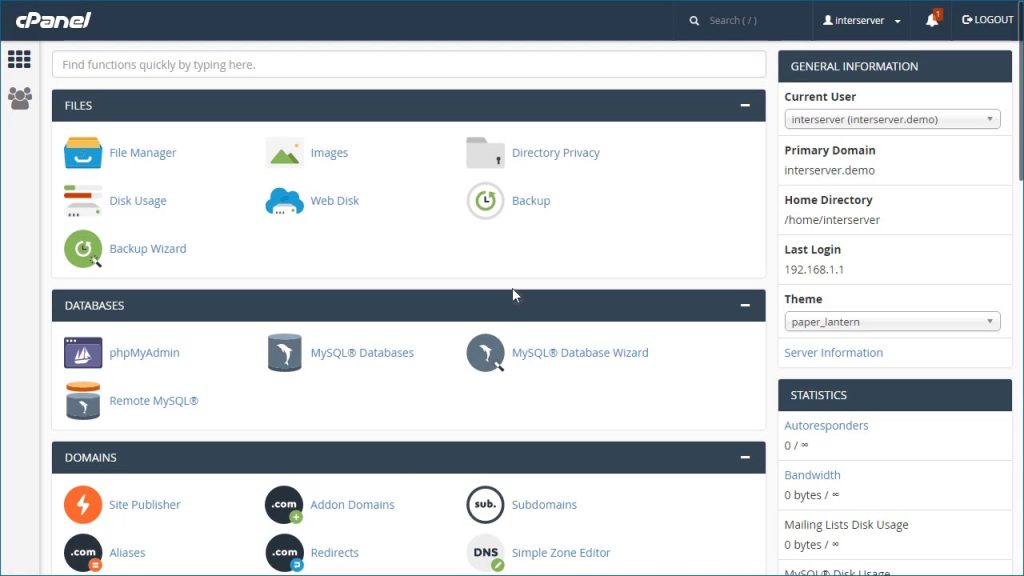
However, there are some limitations to using add-on domains. Depending on the hosting provider, users may be limited in the number of add-on domains they can create. Additionally, some hosting providers may limit the amount of disk space and bandwidth that can be used for each website, which can limit the amount of traffic and content that can be hosted on each domain.
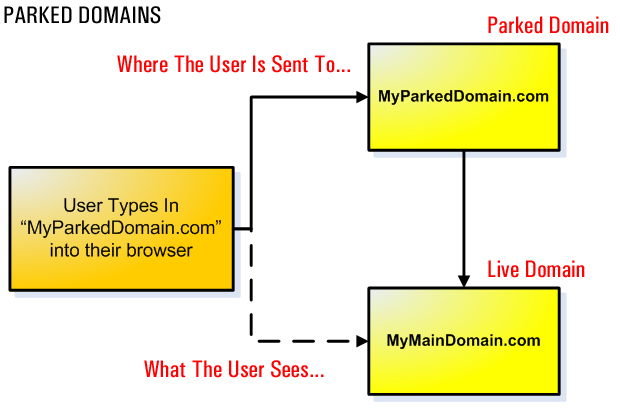
In conclusion, add-on domains are a useful feature that can help users manage multiple websites from a single hosting account. They offer a cost-effective way to manage multiple websites and can help improve search engine rankings and drive more traffic to each website. However, users should be aware of any limitations or restrictions that may apply and should choose a hosting provider that offers sufficient resources and support for their website needs.



Leave a Reply