

Server maintenance is an essential process that ensures optimal performance, stability, and security of a server. Regular maintenance helps identify and address potential issues before they cause significant problems. In this article, we will discuss the basics of server maintenance and best practices to keep your server running smoothly.
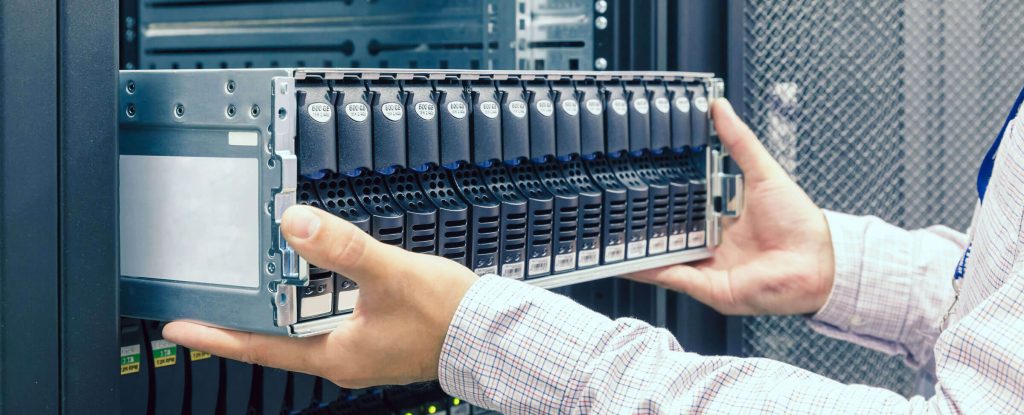
Hardware Maintenance The first step in server maintenance is to perform regular hardware checks. This includes cleaning the server hardware and checking for any physical damage or wear and tear. You should also inspect cables, connections, and cooling systems to ensure they are functioning correctly. Additionally, you should monitor the server’s temperature, fan speed, and other environmental factors to prevent overheating or damage to components.
Operating System Updates Another critical aspect of server maintenance is keeping the operating system up to date. Regular updates ensure that security vulnerabilities are patched, and the server is running optimally. You should regularly check for updates and install them as soon as possible to avoid any potential security risks.
Application Updates In addition to operating system updates, you should also keep your server applications up to date. This includes updating software, databases, and other applications to ensure they are running the latest version. Regular updates can improve performance, fix bugs, and enhance security.
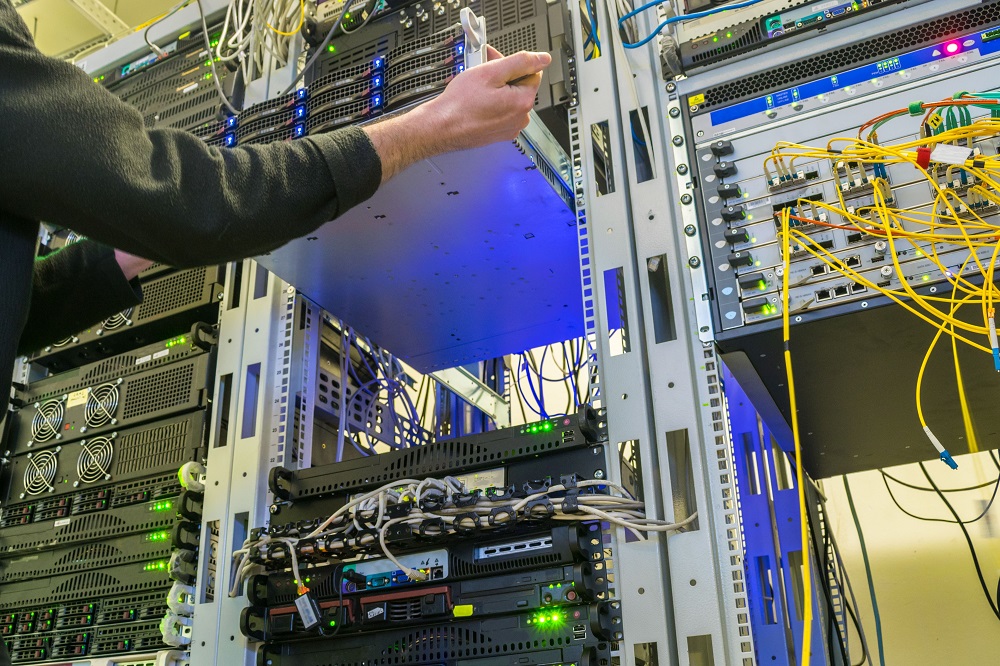
Data Backup Data backup is an essential part of server maintenance. You should regularly back up your data to prevent data loss due to hardware failure, cyberattacks, or other issues. You should also test your backup system to ensure it is working correctly and can be restored in case of a disaster.
Security Maintenance Maintaining server security is crucial to prevent unauthorized access, data breaches, and other security threats. This includes regularly updating security software, configuring firewalls, and implementing access control measures. You should also monitor the server’s security logs and conduct regular security audits to identify and address any potential vulnerabilities.
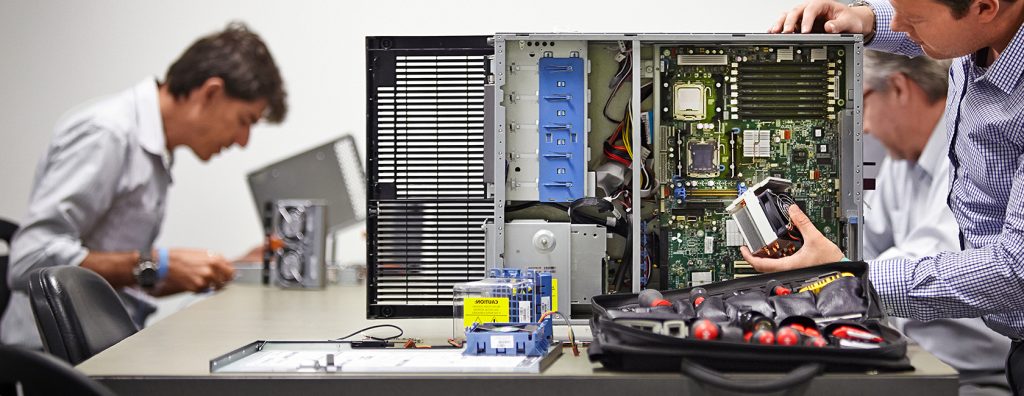
Performance Monitoring Finally, you should monitor your server’s performance regularly. This includes tracking server load, network traffic, and other performance metrics. Monitoring helps identify and address any potential issues before they cause significant problems.
In conclusion, server maintenance is an essential process that ensures optimal performance, stability, and security of a server. By following best practices and regularly performing hardware checks, updating the operating system and applications, backing up data, maintaining security, and monitoring performance, you can ensure that your server is running smoothly and efficiently.



Leave a Reply