

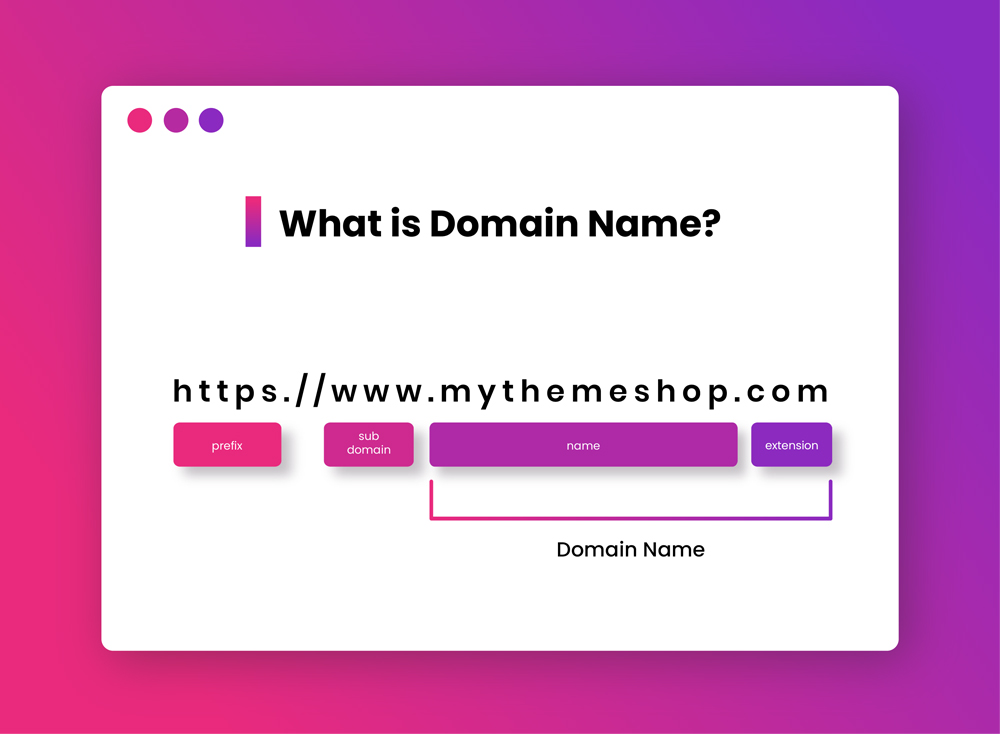
In the world of website development and online businesses, subdomains play a crucial role in organizing content and improving website functionality. Subdomains are essentially a part of a larger domain, and they are used to create separate websites or sections within a website. They are created by adding a prefix to the domain name, such as “blog” or “store”.
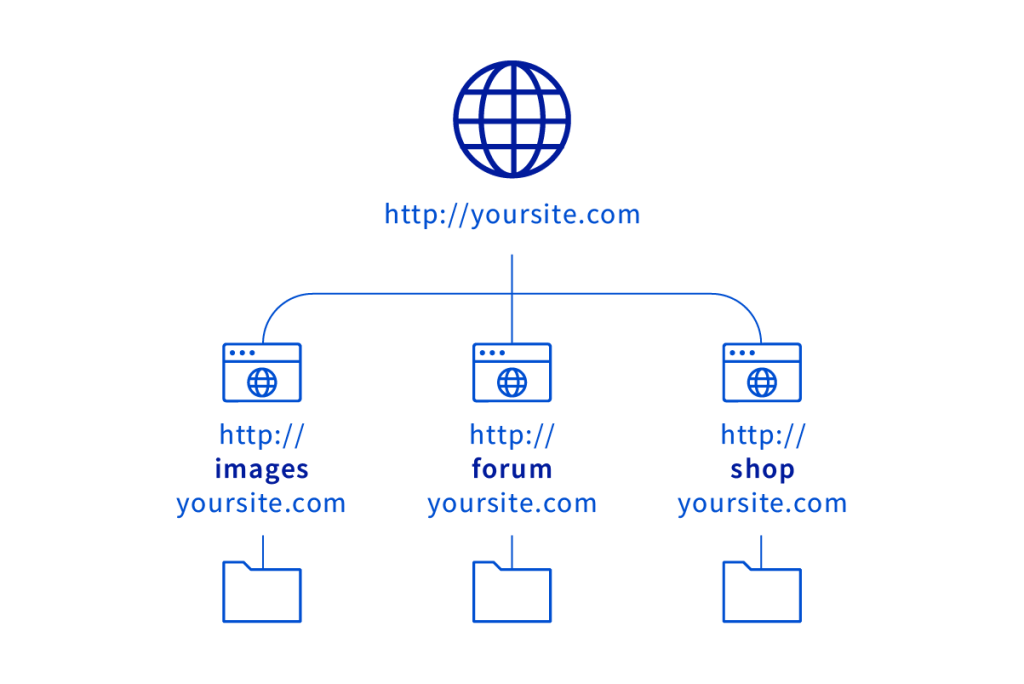
One of the main benefits of using subdomains is the ability to organize content into separate sections. For example, a website that sells products may have a separate subdomain for their blog, where they can post articles and other content related to their products. This allows users to easily navigate to the section they are interested in, and it also helps search engines understand the structure of the website.
Another benefit of using subdomains is the ability to host multiple websites on the same domain. This is commonly used by large organizations that have multiple departments or subsidiaries. Each department can have its own subdomain, which can be used to host its own website or web application. This helps to maintain a consistent brand across all websites, while also allowing each department to have its own online presence.
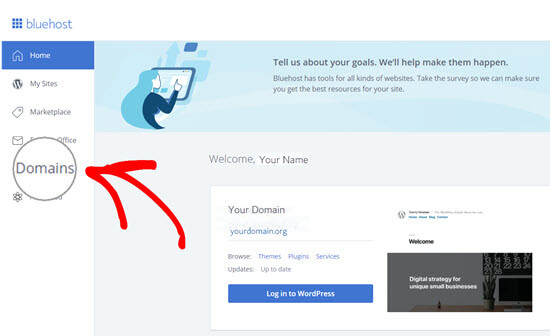
Subdomains also allow for more targeted SEO efforts. By using a subdomain for a specific topic or keyword, businesses can create more focused content and optimize it for that specific topic. This can help to improve search engine rankings and drive more targeted traffic to the website.
However, it is important to note that subdomains should be used carefully, as they can have both positive and negative effects on website performance. For example, using too many subdomains can lead to a bloated website structure, which can make it harder for search engines to crawl and index the content. Additionally, if subdomains are not properly set up, they can create duplicate content issues and hurt SEO efforts.
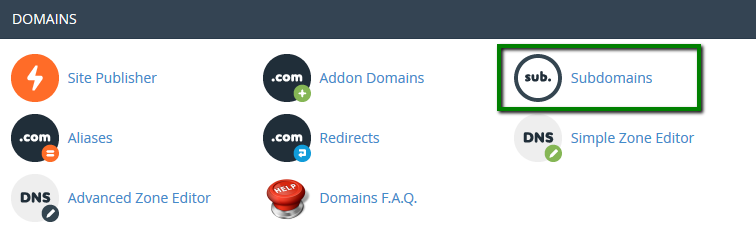
Overall, subdomains are a powerful tool for organizing content, improving website functionality, and targeting SEO efforts. By using them effectively, businesses can create a more structured and effective online presence, while also improving user experience and driving targeted traffic to their website.

Leave a Reply