
A domain is a unique identifier that is used to access websites on the internet. It is a human-readable name that translates to an IP address, which is the unique numerical identifier assigned to a device on a network. In this article, we will explore what a domain is and how it works.

What is a Domain? A domain is a name that identifies a website on the internet. It is composed of two parts, the top-level domain (TLD) and the second-level domain (SLD). The TLD is the extension that appears at the end of the domain name, such as .com, .org, .net, or .edu. The SLD is the main part of the domain name, such as google or yahoo. Together, the TLD and SLD make up the complete domain name, such as google.com or yahoo.com.
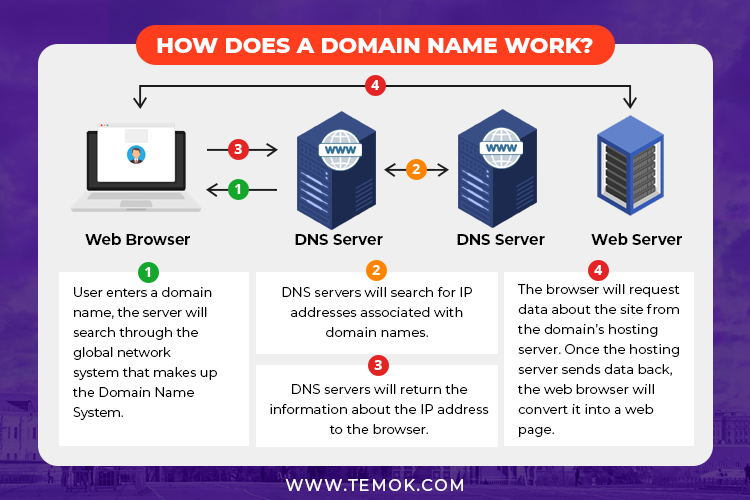
How Does a Domain Work? When a user types a domain name into a web browser, the browser sends a request to a domain name server (DNS) to look up the IP address associated with the domain name. The DNS translates the domain name into an IP address and returns it to the browser. The browser then uses the IP address to connect to the website’s server and retrieve the website content.

Domains are managed by domain name registrars, which are companies that register and manage domain names on behalf of website owners. To register a domain name, the owner must first check if the domain name is available and then pay a fee to the registrar. Domain names can be registered for varying lengths of time, usually ranging from one to ten years. Once a domain name is registered, it belongs exclusively to the owner, and they can use it to host their website or email services.
Why are Domains Important? Domains are essential for website owners because they provide a recognizable and memorable name for their website. They are also a critical part of a website’s branding and can influence a user’s perception of the website’s credibility and trustworthiness. Additionally, domains can impact search engine optimization (SEO) by including relevant keywords in the domain name.
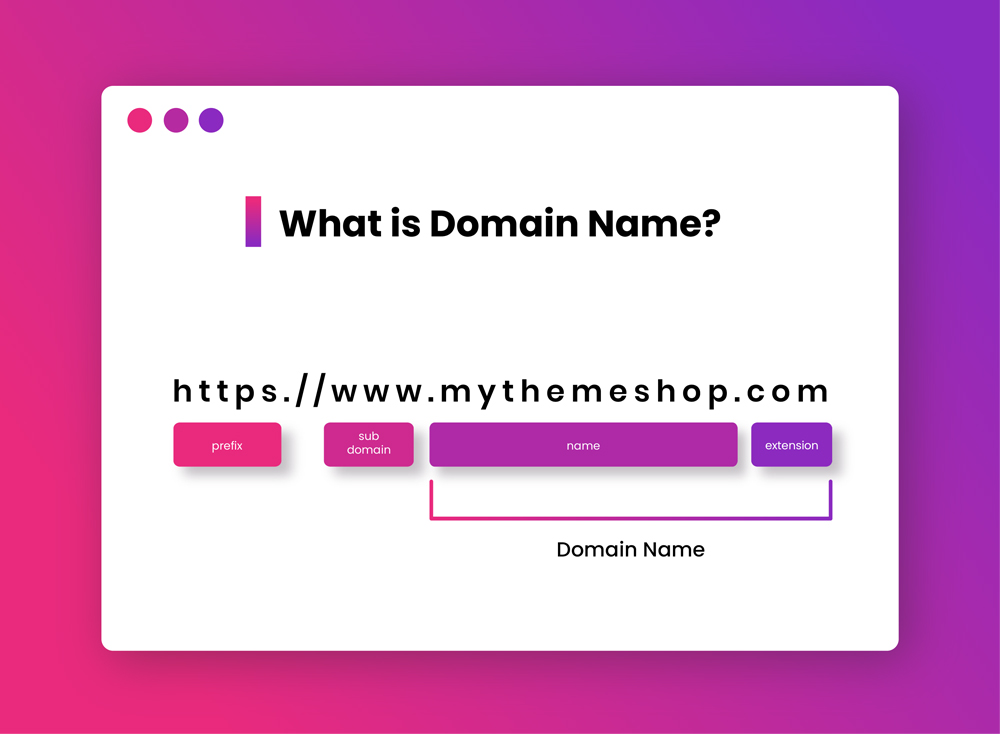
In conclusion, a domain is a unique identifier used to access websites on the internet. It consists of a top-level domain (TLD) and a second-level domain (SLD) and is managed by domain name registrars. Domains are important for website owners because they provide a recognizable and memorable name for their website, influence branding and user perception, and impact SEO.

Leave a Reply